 Ship Modelers Database
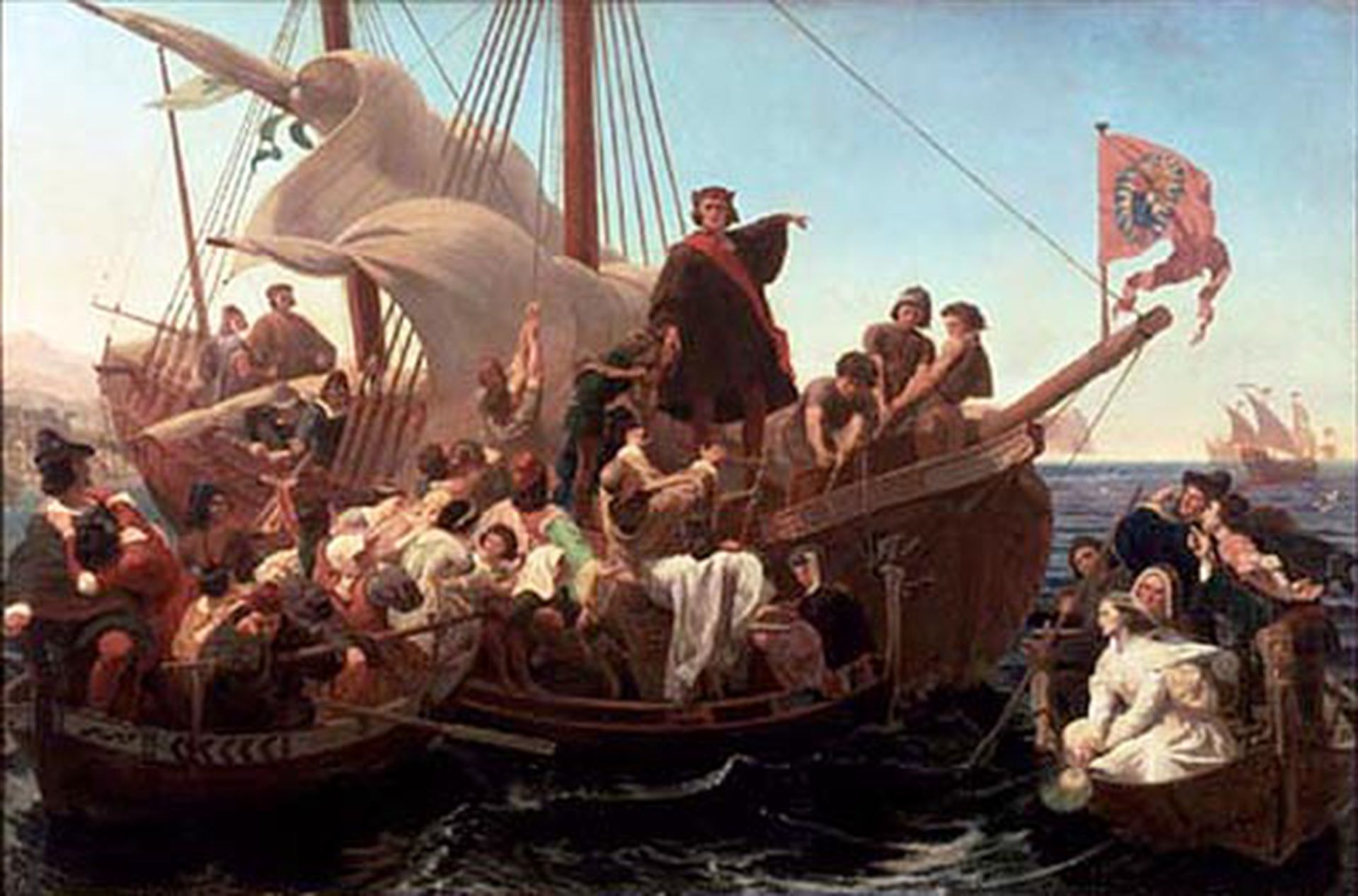
Image: Public domain (CC-PD-Mark) · commons.wikimedia.org
Santa María
Wrecked (1492)
La Santa María, also called La Gallega, was the largest of the three ships Christopher Columbus commanded on his 1492 first voyage across the Atlantic, serving as his flagship alongside the smaller caravels Niña and Pinta. She was a nao (carrack)-type vessel owned and mastered by Juan de la Cosa of Santoña, Cantabria, requisitioned by Queen Isabella for the expedition.
Kits of this ship
+ Add a kitNo image | Santa Maria | Dusek | 1:72 | Plank-on-Frame | — |
| Santa Maria | Amati | 1:65 | Plank-on-Bulkhead | Available | |
No image | Santa Maria | Artesania Latina | 1:65 | Plank-on-Bulkhead | — |
| Caravelle "Santa Maria" 1492 | Ships of Pavel Nikitin | 1:48 (1/4 in=1 ft, O) | — | Available | |
No image | Santa Maria – Columbus Flagship 1492 | Mamoli | 1:50 | Plank-on-Frame | Available |
| Santa Maria. Wooden Ship Model Kit Scale: 1:48 | Pavel Nikitin (Ships of Pavel Nikitin) | 1:48 (1/4 in=1 ft, O) | Plank-on-Bulkhead | Discontinued | |
| Caravel Santa Maria. 1:65 Wooden Model Ship Kit | Artesania Latina | 1:65 | Plank-on-Bulkhead | Available | |
| Santa Maria 1:65 Scale | Amati | 1:65 | Plank-on-Frame | Available | |
No image | Santa Maria 1:50 Scale | Mantua | 1:50 | Plank-on-Bulkhead | Available |
| Santa Maria Ship Model | OcCre | 1:50 | Plank-on-Frame | Available | |
No image | Santa Maria | Mini Mamoli | — | Solid Hull | Available |
Plans
No plan sets listed for this ship yet. Know of museum, archive or publisher drawings? Add them so the next builder can find them.
Links go to the publisher's or museum's own page. Ship Modelers Database lists plan sets; it doesn't host or display the drawings.
Build logs
+ Link a build logNo build logs linked yet.
Resources
+ Submit a resourceHistory & specifications
- Amati Santa Maria Carrack 1492 Model Ship KitWebsite
Commercial kit page describing the vessel's background and design, relevant for modelers considering a build.
- Britannica: Santa MaríaArticle
Concise reference entry on dimensions, armament, and fate of Columbus's flagship.
- Santa Maria (Wikipedia)Wikipedia Entry
- Ships of Discovery: 1492 Santa MaríaArticle
Academic maritime archaeology background on the Santa María's likely design and construction as a nao/carrack.
Museums & archives
- Fundación Nao Victoria: History of the Nao Santa MaríaMuseum
History from the Spanish foundation that operates a sailing replica, covering the 1492 voyage and wreck at Fuerte Navidad.
- Museu Marítim Barcelona: Model of the Carrack Santa MaríaMuseum
Museum object page for a 1964 scale model built by Josep Giralt, useful reference for modelers on carrack construction details.
Photos
- Wikimedia Commons: Category Santa María (ship, 1482)Photo
Collection of freely licensed images including paintings, replicas, and monuments related to the ship, useful for visual reference.
- Wikimedia Commons: Christopher Columbus on Santa Maria in 1492 (Emanuel Leutze painting)Photo
Public domain 19th-century painting depicting Columbus aboard the Santa María, useful as a reference image.
History
Service history
Santa María departed Palos de la Frontera on 3 August 1492 and reached the Americas on 12 October 1492 alongside the Niña and Pinta. On Christmas Day 1492 she ran aground off the coast of present-day Haiti due to the helmsman's inexperience; her timbers were salvaged to build Fuerte Navidad, the first Spanish settlement in the New World, and the hull was left in place, never definitively located despite modern wreck-hunting efforts.
Notable facts
Contemporary accounts, including Columbus's own log, generally refer to the ship as "la nao" or "la capitana" rather than by the name Santa María, leaving some historical uncertainty about her true name. Numerous full-scale replicas have been built over the centuries, including ones for the 1892–93 Columbian quadricentennial/exposition, a long-displayed replica in Columbus, Ohio (1991–2014), and a modern sailing replica operated by the Fundación Nao Victoria in Huelva, Spain, launched in 2018.