 Ship Modelers Database
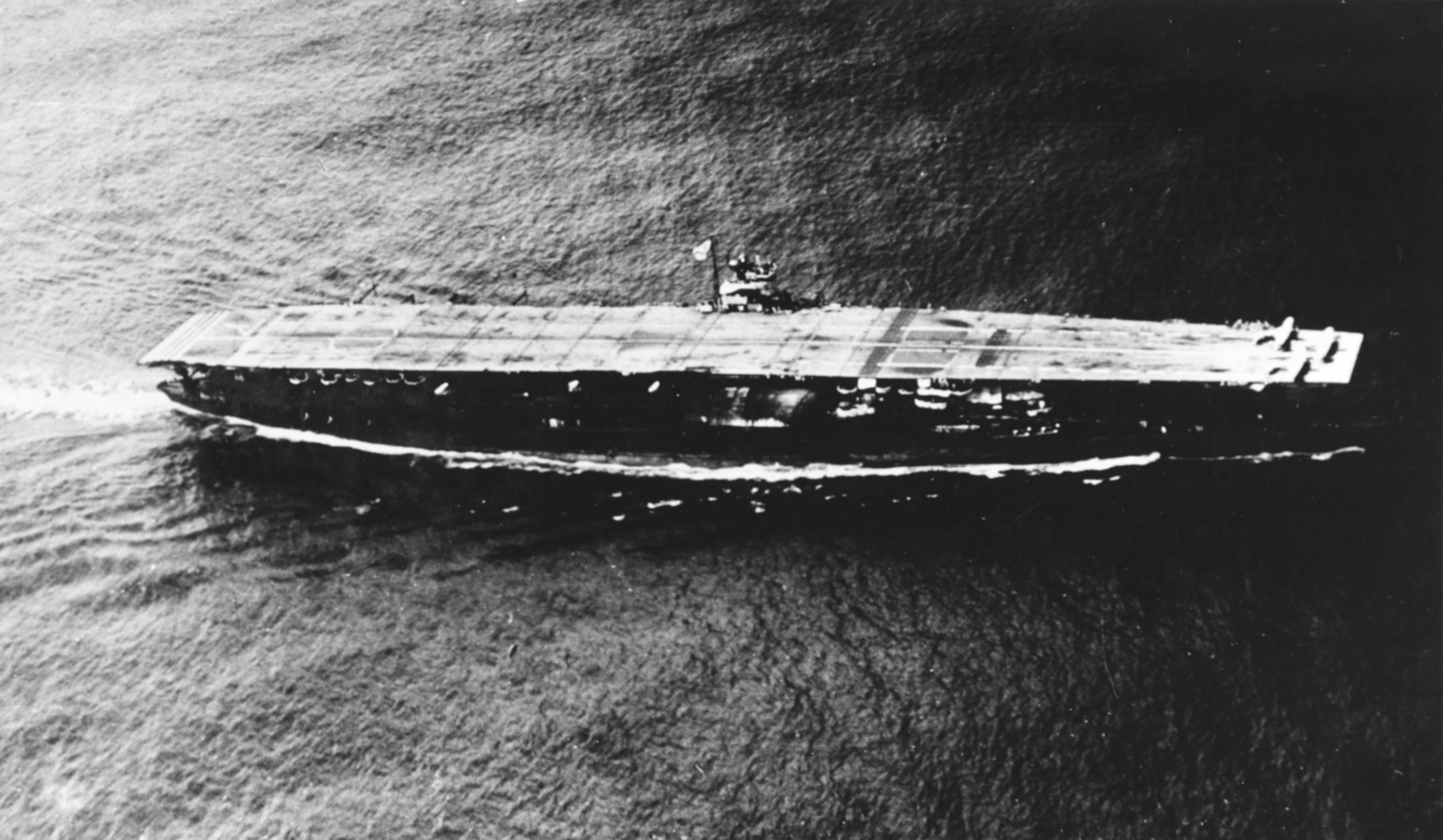
Image: Public domain · commons.wikimedia.org
Akagi Japanese aircraft carrier
Sunk
Akagi was an Imperial Japanese Navy aircraft carrier originally laid down as an Amagi-class battlecruiser but converted during construction to comply with the Washington Naval Treaty. She became the second carrier to enter IJN service and the first large "fleet" carrier, later serving as flagship of the First Air Fleet (Kido Butai) that spearheaded Japan's early Pacific War offensives.
Kits of this ship
+ Add a kitPlans
No plan sets listed for this ship yet. Know of museum, archive or publisher drawings? Add them so the next builder can find them.
Links go to the publisher's or museum's own page. Ship Modelers Database lists plan sets; it doesn't host or display the drawings.
Build logs
+ Link a build logNo build logs linked yet.
Resources
+ Submit a resourceHistory & specifications
- NOAA Ocean Exploration: Akagi PhotogrammetryArticle
Provides dimensions and background plus details from the modern photogrammetric survey of the wreck site, useful for hull accuracy.
- Wikipedia: Japanese aircraft carrier AkagiWebsite
Comprehensive overview of design, conversion history, and service record; good starting point for build research.
Museums & archives
- NHHC/ibiblio Hyperwar: Akagi (Aircraft Carrier, 1927-1942)Museum
Naval History and Heritage Command ship history page summarizing construction, reconstruction, and loss at Midway.
Photos
- Wikimedia Commons: Akagi underway, Summer 1941 (public domain photo)Photo
Public-domain U.S. Navy/Naval Historical Center photo of Akagi underway with Zero fighters parked forward, a classic reference image for modelers.
History
Service history
Akagi's air group first saw action supporting Japanese operations during the Second Sino-Japanese War, then led the Pearl Harbor strike in December 1941 as Kido Butai flagship, followed by the invasion of Rabaul, the Darwin raid, and the Indian Ocean raid where her aircraft helped sink British warships. At the Battle of Midway in June 1942, Akagi was struck by dive bombers from USS Enterprise, set ablaze, and ultimately scuttled by Japanese destroyer torpedoes on 5 June 1942.
Notable facts
Her conversion from a cancelled capital-ship hull to carrier configuration, and subsequent major reconstruction into a single-deck "island" carrier, makes her an interesting subject for modelers wanting to depict either her original three-tiered flight deck layout or her later, more iconic WWII-era profile. The wreck was located and surveyed on the seafloor near Midway in modern photogrammetric expeditions, providing additional visual reference for hull details.