 Ship Modelers Database
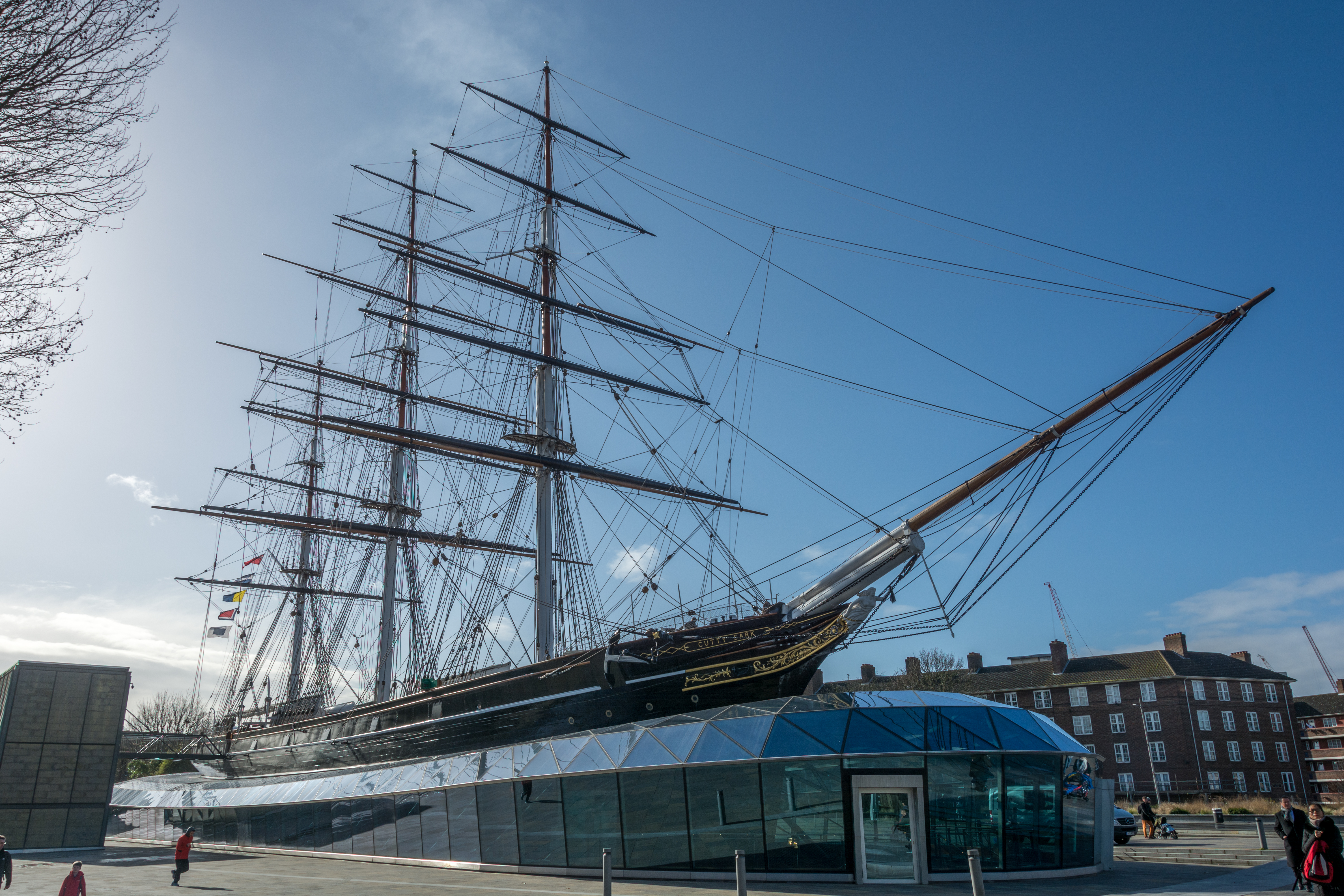
Image: CC BY-SA 2.0 · commons.wikimedia.org
Cutty Sark
Preserved ashore · Greenwich, London
Cutty Sark is one of the last surviving tea clippers, built in Scotland to race cargoes of tea from China to Britain in the era before steamships and the Suez Canal made such speed less commercially vital. She is regarded as an icon of 19th-century sailing ship design and is now preserved as a museum ship at Greenwich, London.
Kits of this ship
+ Add a kitNo image | Cutty Sark | Artesania Latina | — | Plank-on-Bulkhead | — |
No image | Cutty Sark (Anchorage Type, model without sails) | Woody Joe | 1:100 | — | Available |
| Cutty Sark | Constructo | 1:115 | Plank-on-Bulkhead | Available | |
No image | Cutty Sark Clipper (AL22800) | Artesania Latina | 1:84 | — | Available |
No image | Cutty Sark (MA789) | Mantua Model | 1:78 | — | Available |
No image | Cutty Sark (partwork wooden model kit) | Agora Models | — | — | Available |
No image | Cutty Sark Wooden Model Ship Kit | Constructo | — | — | — |
No image | Cutty Sark (vintage H-368, 1/140 scale) | Revell | 1:140 | Injection-Molded Plastic | Discontinued |
No image | Cutty Sark Clipper (Academy 14110) | Academy | 1:350 | Injection-Molded Plastic | Available |
No image | British Clipper Ship Cutty Sark (Vintage Classics, 09253) | Airfix | 1:130 | Injection-Molded Plastic | Available |
No image | Cutty Sark | Revell | 1:96 (1/8 in=1 ft) | Injection-Molded Plastic | Available |
| Cutty Sark Wooden Model Ship Kit (#564) | Billing Boats | 1:75 | Plank-on-Bulkhead | Available |
Plans
No plan sets listed for this ship yet. Know of museum, archive or publisher drawings? Add them so the next builder can find them.
Links go to the publisher's or museum's own page. Ship Modelers Database lists plan sets; it doesn't host or display the drawings.
Build logs
+ Link a build log- Cutty Sark Mantua 1:78 Build Log [COMPLETED BUILD]
Sid Barras · Ships of Scale
Completed Mantua 1:78 build with extensive documentation of hull planking, copper work, and rigging; over 600 hours documented.
- Cutty Sark, Vintage Billing Boats BB564, 1:75
DomCee · Ships of Scale · Cutty Sark Wooden Model Ship Kit
Extensive build log of vintage Billing kit showing hull completion, deck work, paint, stanchions, and rigging with detailed progress.
- Revell Cutty Sark 1:96 with 3D printed modifications
KevinW · Ships of Scale
WIP build showing significant modifications including custom mast assemblies, hull details, and 3D-printed parts over multiple instalments.
Resources
+ Submit a resourceHistory & specifications
- Britannica: Cutty SarkArticle
Concise authoritative summary of dimensions, launch date, and trade history.
- History Hit: How Cutty Sark Became the Fastest Sail-Powered Cargo Ship Ever BuiltArticle
Details on sail area, crew size, tonnage and record speeds relevant to rigging and hull modeling.
- National Historic Ships: Cutty Sark, Royal Museums GreenwichWebsite
Summarizes Cutty Sark's historic status, Grade I listing, and role at Royal Museums Greenwich, useful for status/provenance verification.
- Wikipedia: Cutty SarkArticle
Comprehensive overview with full specifications, tonnage, dimensions, sail plan and service history useful for scale modelers.
Museums & archives
- Royal Museums Greenwich: Cutty SarkMuseum
Official museum page for the ship, with background articles and visitor information useful for historical context.
Photos
- Wikimedia Commons: Cutty Sark photographPhoto
Free-license photograph of the preserved ship at Greenwich useful as a reference image.
History
Service history
Launched in 1869 at Dumbarton, Scotland, Cutty Sark set out on her maiden voyage to Shanghai via the Cape of Good Hope in February 1870 and served in the English-Chinese tea trade through the 1870s. After the Suez Canal undercut the sailing tea trade, she found a lucrative second career in the Australian wool trade, and she later served as a training ship before being sold and renamed Ferreira under the Portuguese flag, continuing as a cargo vessel into the early 20th century.
Notable facts
Retired sea captain Wilfred Dowman rescued the battered Ferreira after spotting her in Falmouth in the early 1920s and restored her to her original name and rigging. She was towed into a purpose-built dry dock at Greenwich in 1954 and opened to the public in 1957; a major 2006-2012 conservation project raised the hull three meters above the dock so visitors could walk beneath it, and a serious fire broke out during these works in May 2007, though much of the ship's fabric had already been removed for restoration and was saved. She is considered the fastest sail-powered cargo ship of her era and one of only a couple of surviving classic clipper ships in the world.